
Views: 0 Author: Site Editor Publish Time: 2025-11-30 Origin: Site
If you’ve been researching flooring options lately, there’s no doubt you’ve come across SPC flooring. It’s everywhere — in homes, offices, hotels, and retail spaces. But what makes SPC so popular? And is it actually the right choice for your project?
This guide walks you through everything you need to know in 2025. From its structure and features to its advantages, disadvantages, installation tips, cost comparison, and real-life buying recommendations — you’ll find it all here.
Let's dive in.
SPC stands for Stone Plastic Composite, also known as Rigid Core Vinyl flooring. Imagine combining the realistic look of wood with the toughness of stone — that’s SPC.
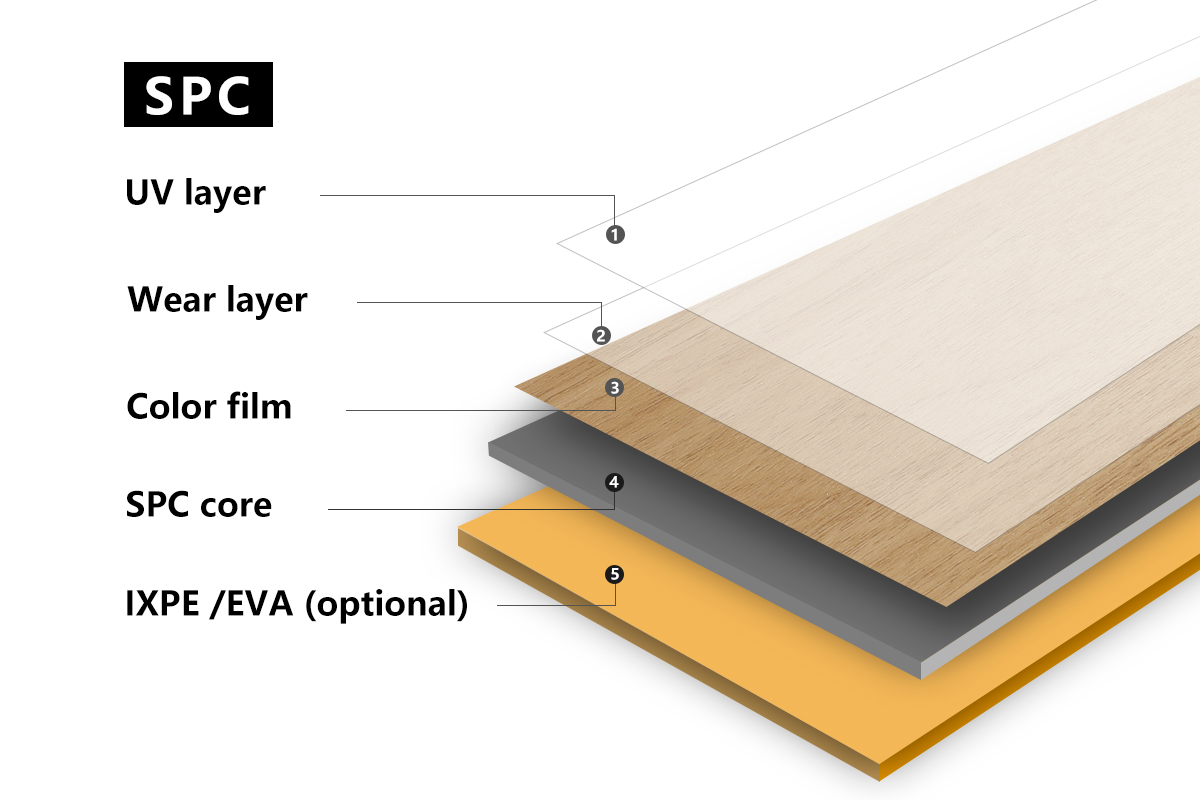
It’s engineered with multiple layers that make it strong, stable, waterproof, and suitable for almost any environment.
Protects the surface from daily wear, stains, and fading.
A transparent shield that determines durability.
More wear layer = better scratch resistance.
The printed design layer that makes SPC look like real wood or stone.
Made from limestone + PVC + stabilizers, giving it:
High density
Dimensional stability
Waterproof performance
Often IXPE or EVA foam for sound absorption and comfort.
No swelling, no warping — perfect for:
Kitchens
Bathrooms
Basements
Balconies
Thanks to its rigid mineral core, SPC:
Resists impact
Handles heavy foot traffic
Maintains shape under temperature changes
Click-lock systems allow DIY installation without glue.
Modern SPC designs are visually identical to hardwood.
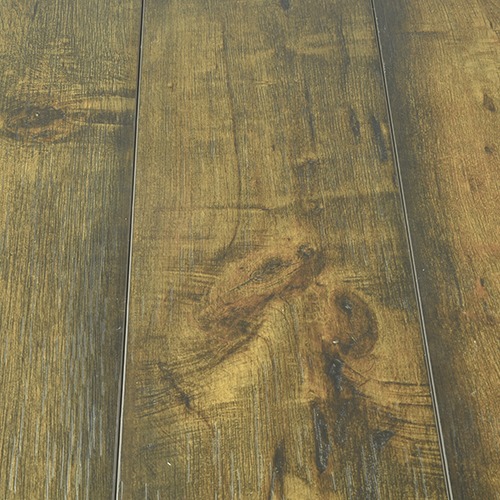
Just sweep and mop — no polishing needed.
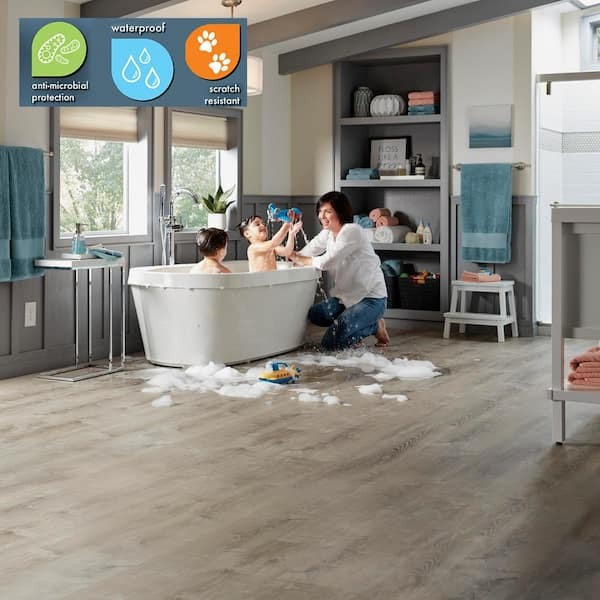
SPC maintains its shape even in extreme environments.
Perfect for households with kids, pets, or frequent spills.
Ideal for offices, stores, and high-traffic areas.
Reduces noise and makes walking more comfortable.
Low-VOC, FloorScore, and CE-certified products are common.
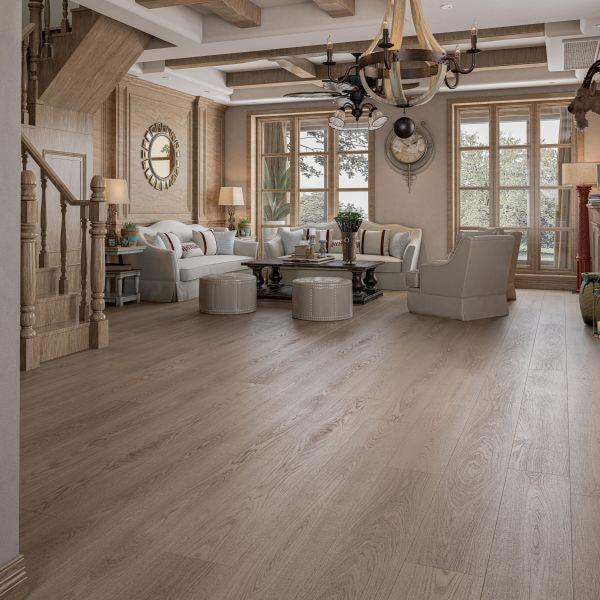
Because it has a rigid mineral core, it feels harder than laminate or WPC.
SPC can feel cool in winter unless paired with heating systems.
Uneven subfloors may affect the locking system.
Without IXPE/EVA pads, SPC may sound slightly hollow.
While there are many styles, real hardwood still has more natural variation.
| Feature | SPC | WPC |
|---|---|---|
| Core Material | Stone + PVC | Wood Fiber + PVC |
| Density | Higher | Lower |
| Durability | Stronger | Softer |
| Comfort | Harder | Softer |
| Waterproof | 100% | 100% |
| Price | Slightly Lower | Higher |
SPC is waterproof; laminate is not.
Laminate feels warmer underfoot.
SPC handles humidity better.
Tile = colder, harder, more expensive
SPC = warmer, easier to install, less brittle
Kitchens
Living rooms
Bedrooms
Bathrooms
Basements
Offices
Supermarkets
Hotels
Classrooms
Restaurants
High humidity rooms
Areas with temperature changes
Spaces requiring easy maintenance
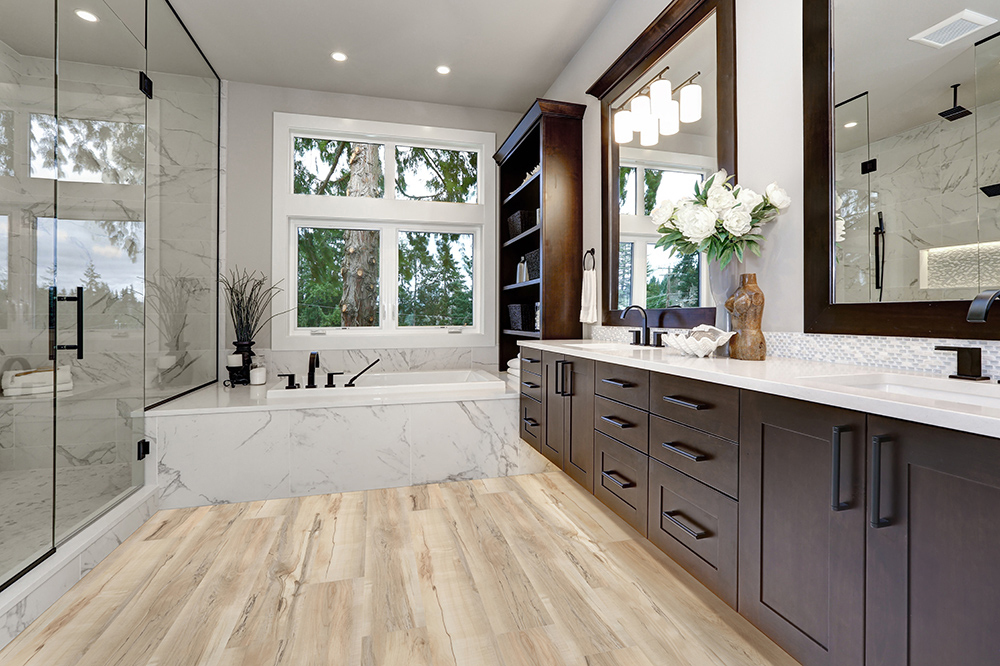
4mm–5mm: Residential
5mm–6.5mm: High-traffic homes
6.5mm–8mm: Commercial
0.3mm: Light use
0.5mm: Heavy use
0.7mm: Commercial
IXPE is preferred for:
Sound reduction
Comfort
Stability
Look for:
FloorScore
CE
SGS
CARB compliance
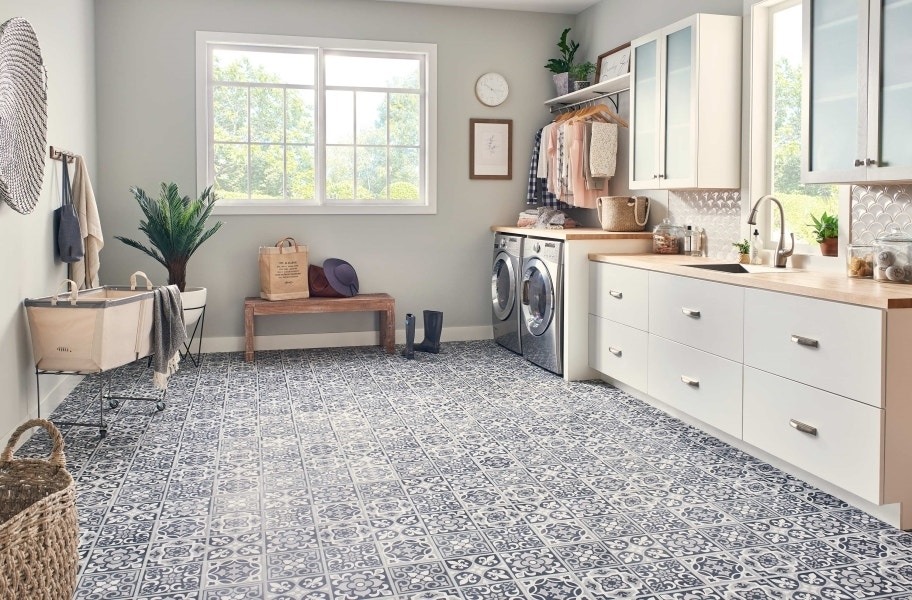
Ensure the subfloor is flat
Allow 24–48 hours for acclimation
Clean all dust and debris
Start from the longest wall.
Angle → Press → Lock.
Use a utility knife or saw.
Add trims and T-moldings for a finished look.
Mop with mild cleaners
Use felt pads under furniture
Clean spills immediately
Steam mops
Abrasive cleaning tools
Dragging heavy furniture
High-quality films today look nearly identical to real wood.
Not true — IXPE underlayment significantly reduces sound.
You can replace individual planks easily.
More luxurious visual effect.
More natural, less plastic-looking.
EIR (embossed in register) technology booming.
Low-VOC and recyclable SPC cores gaining popularity.
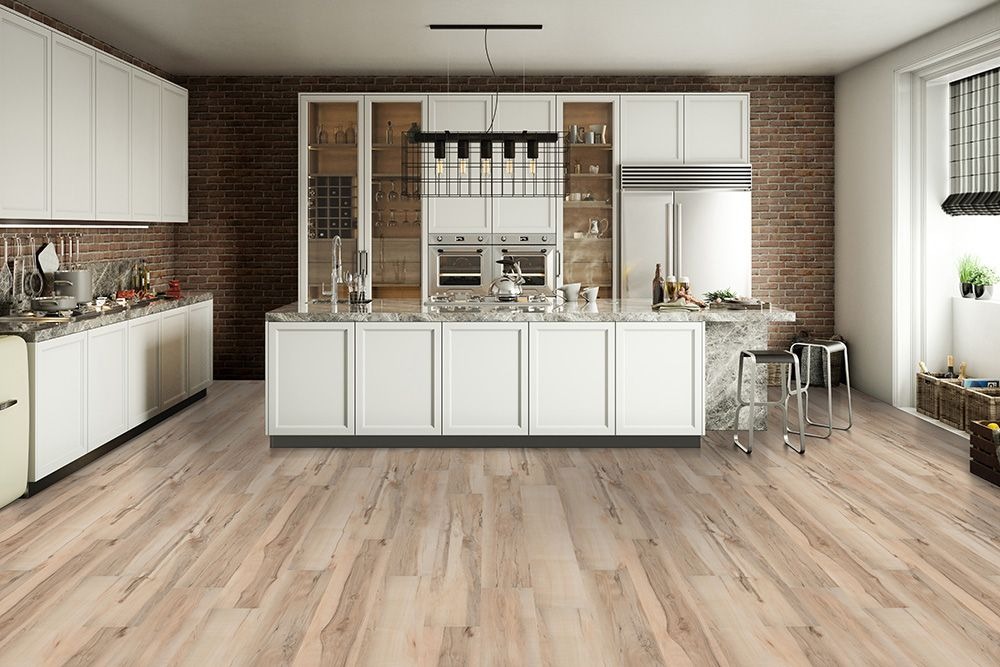
Absolutely — if you want flooring that is durable, waterproof, stylish, and budget-friendly, SPC flooring is one of the best choices in 2025. Its balance of practicality, cost, and aesthetics makes it ideal for both residential and commercial spaces.
Whether you're renovating a single room or furnishing a large project, SPC is a flooring type you can rely on.


